
Understanding the Cultural Significance of Casino Gaming Through History
The Origins of Casino Gaming
The roots of casino gaming can be traced back to ancient civilizations, where games of chance were not merely a pastime but a reflection of societal norms and beliefs. For instance, evidence suggests that the Chinese were engaging in gambling activities as far back as 2300 BC, using rudimentary dice made from animal bones. This early form of gaming was deeply intertwined with cultural rituals and events, indicating that the act of gambling was often more than just seeking fortune; it was a way to bring communities together. Today, many players enjoy platforms like odin fortune casino, which highlight the ongoing evolution of gambling practices.
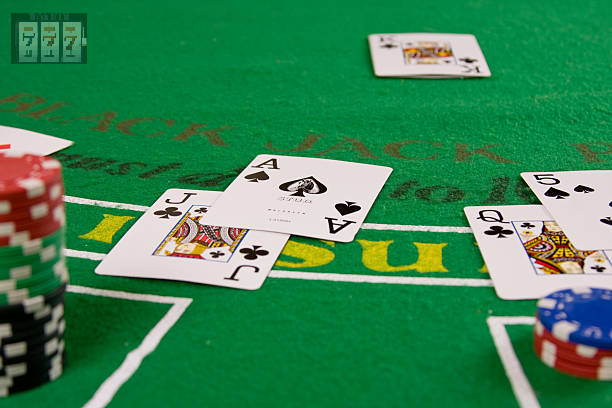
In ancient Rome, gaming took on a more organized form with the establishment of betting houses that catered to the masses. Romans indulged in various games, such as dice and betting on gladiatorial contests, which served as a social gathering point. The cultural significance of these activities cannot be understated, as they often transcended mere entertainment, embodying the Roman values of competition, honor, and fate. Thus, the early history of casino gaming reveals its dual role as both a source of amusement and a lens through which to view societal structures.
The Middle Ages brought a shift in the perception of gambling, particularly in Europe, where it became associated with the aristocracy. The introduction of card games during this period marked a significant evolution in casino gaming. Popular among nobility, these games were often played in lavish settings and helped to reinforce social hierarchies. The blend of gambling with social status established an ongoing relationship that shaped how society viewed gaming, leading to an eventual proliferation of gambling houses as the Renaissance approached.
The Golden Age of Casinos
The 18th and 19th centuries are often referred to as the Golden Age of casinos, particularly in Europe and America. This era saw the rise of iconic establishments such as the Casino de Monte-Carlo in Monaco and the introduction of legal gambling in places like New Orleans. These venues became cultural landmarks, drawing in not just gamblers but also entertainers, artists, and the elite. The casino experience morphed into a grand spectacle where socializing and entertainment coalesced with the thrill of chance.
During this period, the architecture of casinos began to reflect their cultural importance, with ornate designs and luxurious interiors that symbolized wealth and opulence. This transformation in design was not merely aesthetic; it represented a shift in societal values that embraced the idea of pleasure, leisure, and risk-taking. The casinos became a microcosm of society’s evolving relationship with luck and fortune, illustrating how gaming could be both a thrilling escape and a social equalizer.
The legalization of gambling also led to the establishment of various gaming regulations, aiming to curb excess and protect players. The gaming industry began to recognize the importance of responsible gambling, a concept that would evolve over time. This regulatory environment fostered a cultural discourse around gambling that encouraged both enjoyment and caution, laying the groundwork for modern casino operations.
Modern Casino Culture and Its Global Impact
In recent decades, the casino industry has experienced unprecedented growth, fueled by advancements in technology and shifts in social attitudes toward gambling. The rise of online casinos has revolutionized the gaming landscape, making it more accessible than ever before. This digital transformation has not only expanded the reach of casino gaming but also influenced cultural perceptions of gambling, as it increasingly integrates into everyday life.
The global impact of casinos is also evident in the tourism sector, where destinations like Las Vegas and Macau have become synonymous with entertainment and gambling. These cities have transformed into cultural hubs that attract millions of visitors annually, reshaping local economies and lifestyles. The vibrant atmosphere of casino resorts contributes to a unique cultural identity, blending dining, shows, and nightlife with the thrill of gaming.
Moreover, the rise of social media and mobile technology has fostered communities centered around casino gaming, where enthusiasts share experiences, strategies, and insights. This interconnectedness has created a new narrative around gambling, shifting it from a solitary pursuit to a communal activity. The modern casino culture reflects an ongoing evolution, highlighting how historical trends continue to influence contemporary practices in gaming.
Responsible Gaming and Cultural Perspectives
As the casino industry evolves, the importance of responsible gaming has gained prominence. Modern establishments prioritize player protection, promoting initiatives that encourage safe gambling practices. This shift acknowledges the potential risks associated with gambling while celebrating its cultural significance. Institutions now focus on providing education and resources to help players make informed decisions, reflecting a growing understanding of the social responsibilities that come with gaming.
Different cultures perceive gambling in various ways, influenced by historical narratives and social constructs. For instance, while Western societies may view casinos as entertainment venues, many Asian cultures have a more complex relationship with gambling, often intertwining it with tradition and spirituality. Understanding these cultural nuances is crucial for operators aiming to create inclusive and respectful environments for diverse audiences.
The conversation surrounding gambling continues to evolve, encompassing themes of social equity, economic impact, and cultural identity. By addressing these multifaceted perspectives, the casino industry can foster a more balanced narrative that honors its rich history while promoting responsible practices. This commitment will play a vital role in shaping the future of casino gaming as a culturally significant pastime.
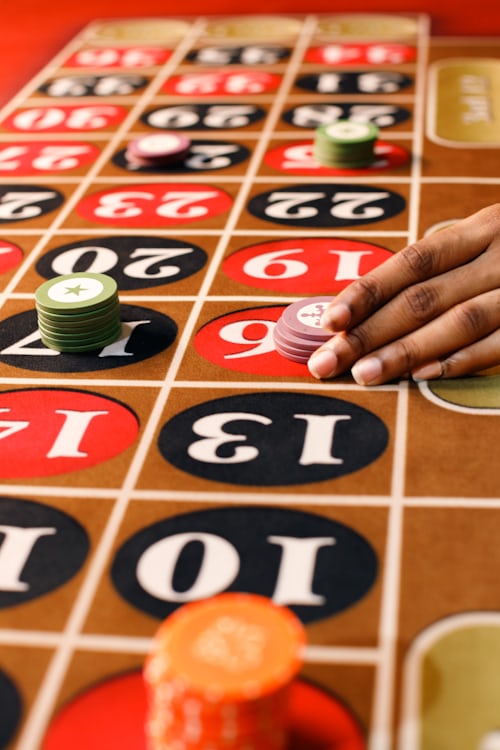
Odin Fortune Casino: A Modern Gaming Experience
Odin Fortune Casino represents the latest evolution in the gaming industry, offering a diverse online experience tailored to meet the needs of modern players. With over 4,000 games, including slots and table games, the platform caters to both casual gamers and serious players looking for excitement. Its Scandinavian theme adds a unique flavor to the gaming experience, creating an inviting atmosphere that reflects the cultural significance of casino gaming.
In addition to its extensive game selection, Odin Fortune Casino places a strong emphasis on player satisfaction. The site features a generous welcome package and ongoing promotions, demonstrating a commitment to providing value to its users. Fast withdrawals, including cryptocurrency options, enhance the overall convenience, while 24/7 customer support ensures that players have access to assistance whenever they need it, reinforcing the importance of a secure gaming environment.
The casino’s focus on transparency and responsible gaming sets it apart in a competitive landscape. By prioritizing player safety and ethical practices, Odin Fortune Casino not only embraces the cultural significance of gaming but also positions itself as a leader in promoting responsible gambling. This dedication to both entertainment and ethics reflects the industry’s ongoing evolution, ensuring that casino gaming remains a valued part of our cultural tapestry.